More on architecture and extensions of my new book, Bursting Worlds Asunder: Doorways in Modernist Fiction…
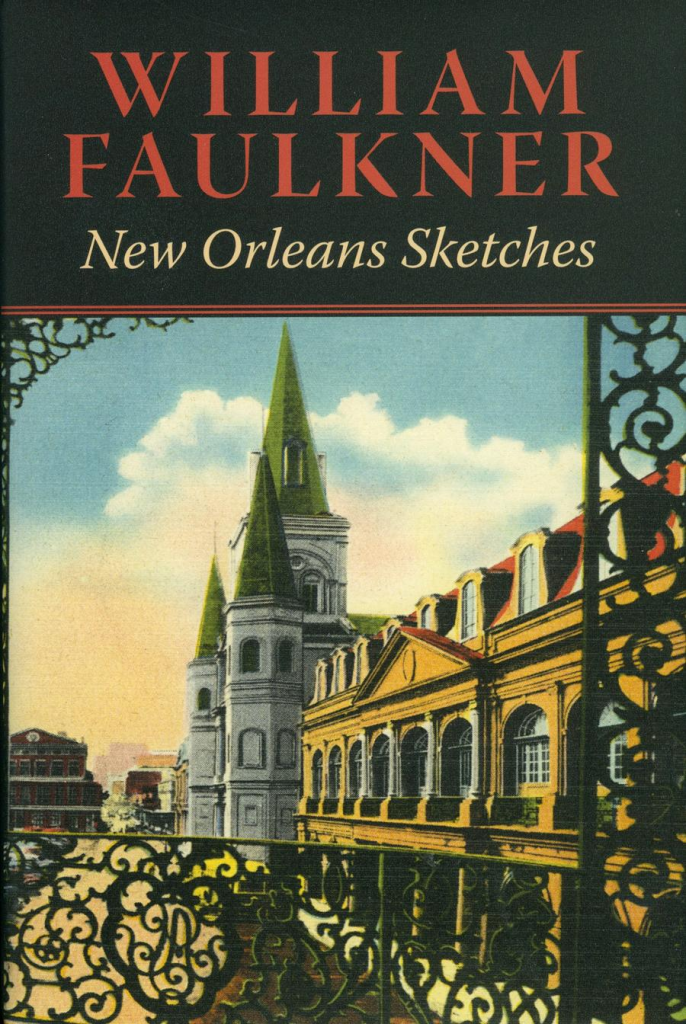
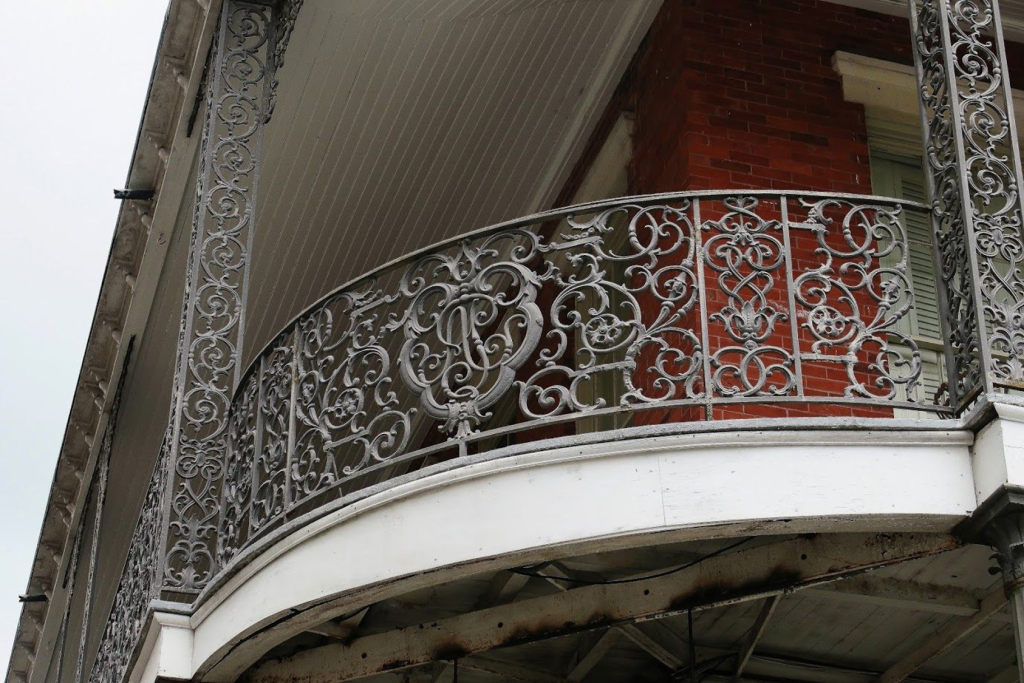
In “The Mirrors of Chartres Street,” his short fiction published in his New Orleans Sketches (1925) while living in the French Quarter of New Orleans, Faulkner describes the balcony as “Mendelssohn impervious in iron.”
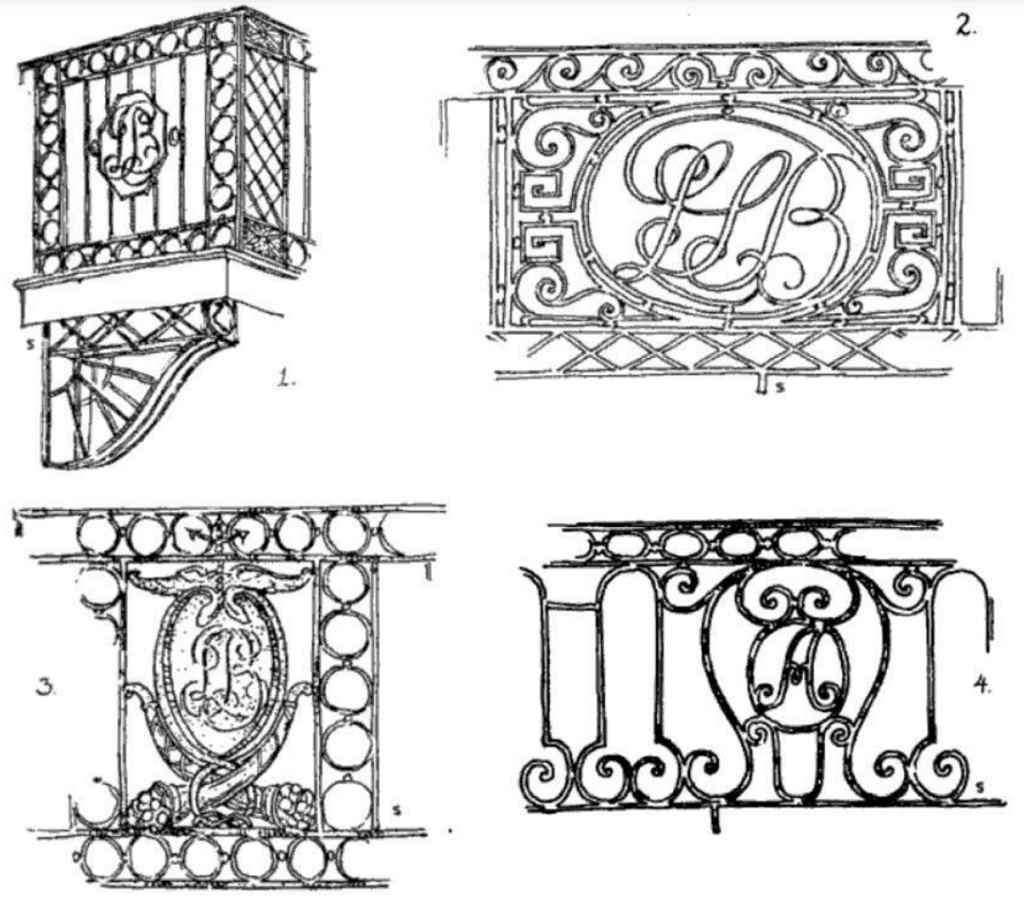
In my article, “Vorticism and Iron: Faulkner’s Architectural Dialogue in ‘Mirrors of Chartres Street’” for the Mississippi Quarterly, I show the relationship between the movement of architectural lines and bodies in the text. Above are the drawings of New Orleans balconies by Faulkner’s roommate, William Spratling, an professor of architecture at Tulane University and an artist.
https://muse.jhu.edu/pub/1/article/921511
William Faulkner shows the objective and subjective world in intimate dialogue throughout his fiction. His pattern of representing bodies in conversation with buildings through movement and perception is integral to his vision of embodied experience. This article demonstrates how Faulkner employs competing romantic and modernist architectures in service of a descriptive ontology and a new theory of architecture. In “Mirrors of Chartres Street,” Faulkner offers a new mode of building that rejects the use of property or tools, heroizing the body itself as a means of building and dwelling.